
News
Having a good lighting system at home is essential for conveying the right sensations in each room, providing comfort and clarity to ensure the health of your eyes, as well as being a way of enhancing the property and making it more welcoming, for example. However, the type of lighting will vary depending on the room in the house. Find out which lights should be in each type of space, as well as their layout.
Kitchen
In this room, the most important thing is to opt for general lighting in the center of the room, capable of illuminating every corner of the kitchen. In this sense, you could also add small beams of light above the stove, the dishwasher or a specific area where you work regularly.
Living room
The living room calls for soft lighting, don't you agree? However, this should cover the whole room. It's important to position accent lights at certain key points, not only to create more light, but also to make their use more efficient.
Please note that you should not place light points above sofas, armchairs, pouffes or any other resting places.
Bathroom
In the bathroom, you can use two types of lighting: a general light and a task light located on the mirror. You can also use a diffused or indirect light near the mirror, so that your face is illuminated evenly and without excess light.
Bedroom
In the bedroom, invest in a system that allows you to turn off both the main light and the bedside table lights from the bed. But don't forget that the light should be soft and should not be projected directly onto the headboard.
Dining room
Finally, in the dining room, it's best to opt for hanging lamps, so that you can create a task lighting system over your dining area.
View original article
News
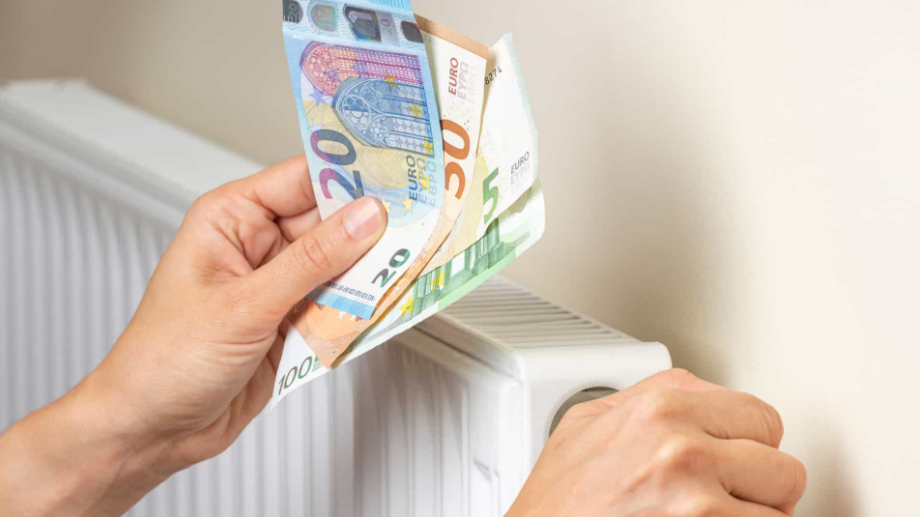
Easter is approaching and, for many, this is the time to gather the family around the table. More people at home can also mean a 'heavier' energy bill.
With this in mind, Selectra presents seven tips that can help you reduce your expenses this Easter. Take note:
1. Control the temperature in your home
“Providing a comfortable environment doesn't mean having to turn on the heating to values similar to those of a summer's day! In other words, an average temperature of 20ºC should be more than enough to guarantee pleasant air, especially if there are no air leaks in the area you want to heat.”
2. Limit the consumption of electronic devices
“Easter is characterized by moments of family togetherness, right? Then continue this tradition and put your electronic devices away for the day. As well as being an opportunity to socialize with your loved ones, it's also an excellent way to save energy!”
3. Favor natural lighting
“If the day allows it, open the curtains in your home and let the sun illuminate your interior. It's not uncommon for us to turn on the lights before dark without even considering it, but in fact, for activities that don't require a lot of eye strain, natural lighting is perfectly capable of fulfilling this function. And now that we've recently entered daylight saving time, the opportunities to save energy are even greater!”
4. Make toilet flushing more efficient
“If you're expecting visitors these days, it's likely that the number of flushes from your toilet will skyrocket. But did you know that the simple act of filling a bottle with water and placing it in the tank can considerably increase its energy efficiency? What's more, it also has the advantage of reducing the amount of water that is released with each flush.”
5. Pay attention to the pans you use
“Every pot has its place on the stove! Or, to put it another way, small pans go on the smallest burners and larger ones on the top. This is because if you use a pan that doesn't fit the size of the stove, a lot of energy is wasted, and it doesn't even help the food to cook faster.”
6. Turning the stove on full blast doesn't help it cook faster
“When you're late cooking lunch, is your first instinct to turn the stove on full blast? Well, that doesn't automatically speed up the process! The best way to ensure you have lunch ready on time for your family is to cut the food into smaller pieces and cover the pot while you're cooking. This saves not only time but also energy!”
7. Leave the washing up to the dishwasher!
“After lunch, it's natural for someone to offer to do the dishes, but it's best to kindly decline this offer, as using the machine is considerably cheaper and uses far fewer resources. However, for this appliance to be fully efficient, it must be used at its maximum capacity and preferably on an 'eco' program that can reduce electricity consumption by up to 45%.”
View original article
News
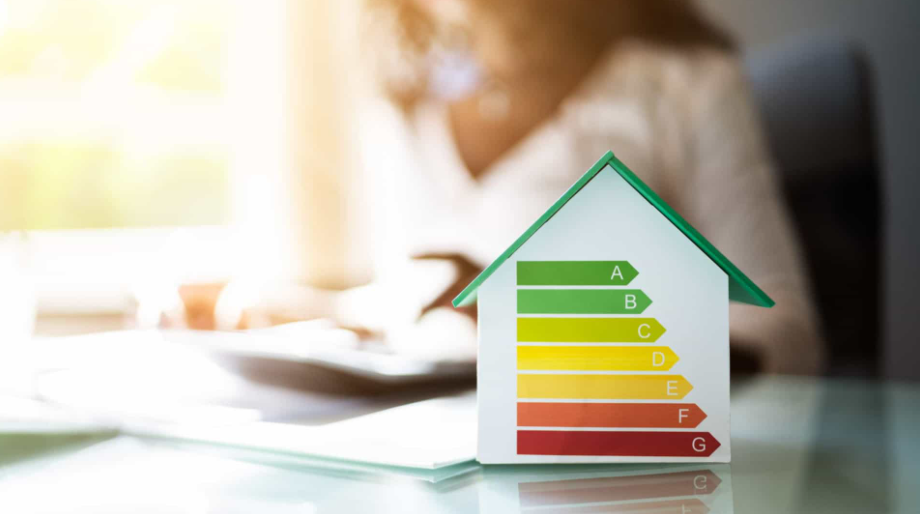
An efficient home is also a home that saves money, as it allows for more efficient energy consumption. Measuring a home's energy efficiency level is essential to understanding how you can improve it and save - both the environment and your wallet.
“In this sense, there are energy certificates, which classify the energy performance of a house or building on a scale from F (very inefficient) to A+ (very efficient), and present measures that can reduce energy consumption and improve thermal comfort. In addition, they also allow you to access financing at better rates, enjoy tax benefits in terms of IMI or IMT, or reduce fees for property rehabilitation,” explains the Casavo platform.
The digital platform for the residential market shares five tips for obtaining an energy certificate. Take note:
- Contact a qualified expert: “Only architects or engineers with at least five years' experience and recognized by the Energy Agency (ADENE), the entity that manages the Energy Certification System for Buildings, are qualified to assess and determine the efficiency of the house and subsequently issue the document, so it is important to ensure that the right expert is consulted.”
- Ask for a quote: “The cost of registering and issuing an energy certificate varies according to the size of the house and the use of the space (housing or commerce and services), and the expert's fees are added to this amount. As long as they remain valid, within ten years for housing, energy certificates can be updated without having to make a new payment, but the expert can charge a fee.”
- Schedule the expert's visit: “Once you've decided which expert is right for you, they will have to visit the house to analyze and assess it. During this visit, he will try to gather as much information as possible to assess the energy efficiency of the house and draw up the certificate.”
- Gather the necessary information: “Before the visit, you should gather all the documentation relating to the property, namely a copy of the plan of the property, the urban land registry, the certificate of registration at the registry office and the technical sheet, which should include technical specifications of the materials and systems of the house.”
- See the first version of the report: “It's important to ask to see the previous version of the report and check the data in the document. Before the report is officially issued, the expert can send a copy, which has no legal validity, so that the owner can confirm that everything is in accordance with the visit.”
View original story

News
Sustainability is a concern that can start with our homes, not least because 83% of real estate investors predict a growing demand for sustainable buildings.
Since this is a trend on the rise, GesConsult, a company specializing in construction management and supervision, presents in a press release five aspects to consider when building or refurbishing a house. Take note:
1. Project location: “The decision on where to build a house sets the tone for a more or less sustainable construction. It's important to study the type of land and the existing environment in order to adapt the construction as much as possible to ensure a smaller ecological footprint.”
2. Choice of materials: “In a 'green' home, the decision on raw materials tends to favor those from sustainable production or recycled sources. So, when making decisions, following the sustainable path means considering the right materials.”
3. Thermal insulation: “Betting on adequate thermal insulation for floors, walls, ceilings and even windows increases the energy efficiency of a house, as well as saving money - and an energy-efficient house is a more 'environmentally friendly' house.”
4. Reuse systems: “Integrating equipment and solutions that make the most of renewable energies, such as solar panels, allows us to bet on long-term reuse, guaranteeing another step towards 'green' housing.”
5. Waste and energy management: “Excessive consumption of materials and energy creates a huge impact on limited resources. Integrating materials and water management systems at home helps to reduce negative effects on the environment.”
View original story
